Summer often brings a looser schedule, and with it, a nagging worry for many parents: is all this unstructured time actually good for my child, or are they losing ground before the next school year starts?
Here’s some reassurance. Summer play isn’t a break from learning. For young children, it’s some of the richest learning they’ll do all year.
What Happens in the Brain During Play
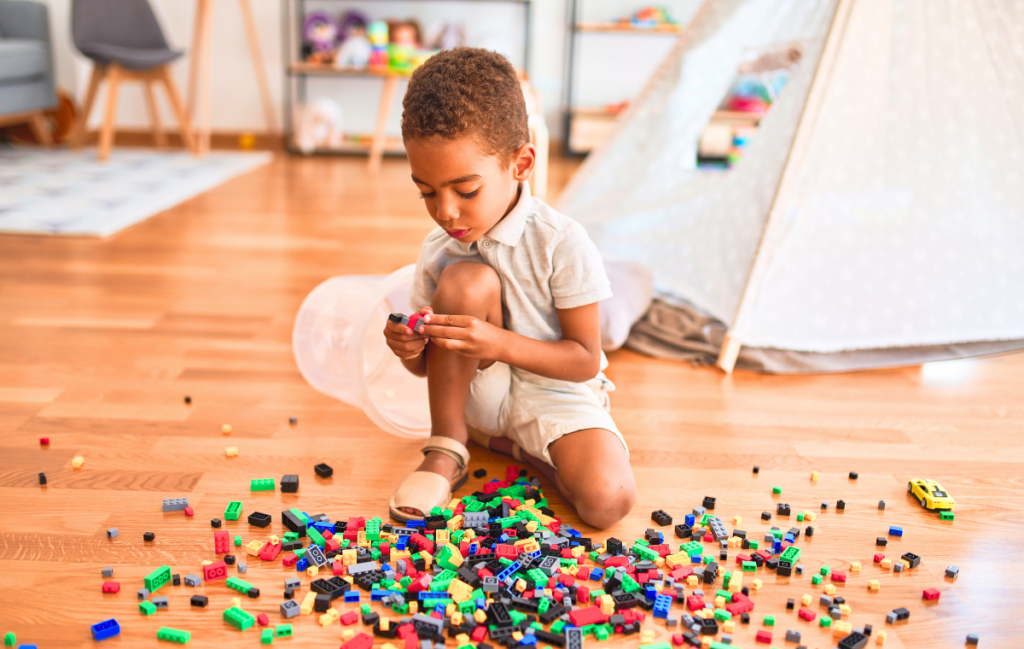
Every time a child climbs, imagines, builds, or negotiates a game with a friend, their brain is forming new connections. Play activates areas of the brain tied to problem-solving, language, emotional regulation, and memory, often all at once.
Unstructured play, in particular, asks children to make their own decisions. What should we build? Who goes first? What happens if the tower falls? These small choices strengthen executive function, the mental skills children rely on for focus, planning, and self-control.
Types of Summer Play That Support Development
Sensory Play
Water tables, sand, mud, and bubbles give children rich sensory input that builds body awareness and calms the nervous system on hot, high-energy days. For some children, including those with autism, sensory play is an important part of how they regulate and understand the world. Learn more about sensory needs in children.
Imaginative Play
Turning a cardboard box into a spaceship or hosting a stuffed animal picnic builds language skills and flexible thinking. Children practice sequencing events and taking on different perspectives.
Physical Play
Running through a sprinkler, climbing at the park, or riding a bike builds gross motor skills and coordination, while also giving the brain a healthy dose of stress relief.
Playful Reading Moments
Reading doesn’t have to mean sitting still. Acting out a favorite story, reading a book outside under a tree, or making up silly voices for characters keeps literacy skills warm over the summer without feeling like schoolwork.
Simple Ways to Support Brain-Building Play This Summer
- Offer open-ended materials, like blocks, boxes, or chalk, rather than toys with only one use.
- Build in unscheduled time, not just planned activities, so your child can direct their own play.
- Get outside when you can. Fresh air and movement both support focus and mood.
- Join in sometimes, but let your child lead the game.

Every Child Plays Differently, and That’s the Point
Some children play loud and physical, while others prefer quiet, imaginative games alone or with one friend. Both styles build important skills. There’s no single “right” way for a child to spend a summer afternoon.
This summer, a puddle, a pile of blocks, or an afternoon at the park may be doing more for your child’s brain than any workbook could.
Bring your little one to a place where summer play always has a purpose. Reach out and let’s talk about what your child’s summer could look like with us.
📞 Call us at (615) 239-8261
🌐 Visit www.floeacademy.com
📧 Email us at floeacademy@gmail.com
Recent Posts
-
 Look Who’s Helping! Simple Kindness Challenges for Preschoolers
 -
 Simple Mindfulness Moments for Busy Toddlers and Preschoolers
 -
 Simple Ways to Encourage Healthy Eating Habits in Preschoolers
 -
 Is My Child Ready for Kindergarten? A FLOE Readiness Checklist
 -
 Back-to-School Vaccines Nashville Parents Should Know Before September