Touring preschools can feel like speed dating. You walk into a classroom, take in the colors and noise level, and try to picture your child there for the next few years. It’s a lot to judge in twenty minutes.
If inclusion matters to your family, there are specific things worth looking for beyond the cute bulletin boards.
Why Inclusion Matters From the Start
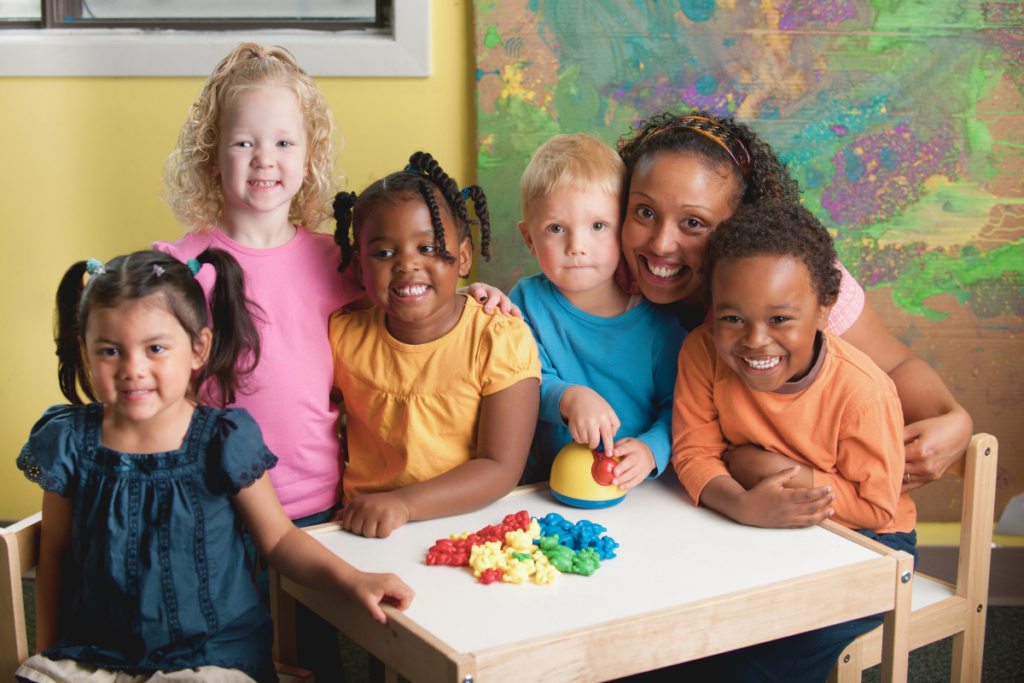
Inclusive preschool programs bring children of all abilities into the same classroom, rather than separating them by need. Children with special needs get real, everyday chances to build communication and social skills alongside peers, while classmates naturally learn patience and empathy by sharing the room.
Signs of a Truly Inclusive Classroom
Therapists are part of the day. Ask whether therapists work directly in the classroom. Support happening right where a child already is means fewer disruptions to routines and less time away from friends.
Teachers adapt, not separate. A strong program adjusts activities so every child can join in, rather than pulling children aside for a different version of the day.
Every child has a role. Look for classroom jobs and group activities designed so every child can contribute, whatever their ability level.
The environment feels warm, not clinical. A great classroom still feels playful and colorful, with books and materials that reflect a range of abilities.
Questions to Ask During a Tour
- How do teachers support different needs during group activities?
- Are therapists on-site, and how do they work with classroom teachers?
- How does the school handle a child who needs more time to master a skill?
- How do you help children build friendships across different abilities?
Trust What You See, Not Just What You Hear
Any school can talk about inclusion. Watch for it instead. Notice whether a child who struggles with transitions gets patient redirection, and whether children play together at recess, not just alongside each other.
A telling moment might be two preschoolers, one using a communication device and one without, working out how to take turns on the swing. That’s inclusion in action, not a slogan on a wall.

Every Child’s Timeline Looks Different
Children develop at their own pace. One may be ready to write letters at four, while another is still working on holding a pencil. A good inclusive program welcomes that range, rather than treating it as a problem to solve. Read more about why inclusive classrooms help every child grow.
Finding the Right Fit for Your Family
Choosing a preschool is a big decision, and inclusion belongs near the top of your checklist. The right program treats it as a daily practice, not a checkbox.
Come see what an inclusive, welcoming classroom looks like in person. We’re here to support you every step of the way on your parenting journey.
📞 Call us at (615) 239-8261
🌐 Visit www.floeacademy.com
📧 Email us at floeacademy@gmail.com
Recent Posts
-
 Look Who’s Helping! Simple Kindness Challenges for Preschoolers
 -
 Simple Mindfulness Moments for Busy Toddlers and Preschoolers
 -
 Simple Ways to Encourage Healthy Eating Habits in Preschoolers
 -
 Is My Child Ready for Kindergarten? A FLOE Readiness Checklist
 -
 Back-to-School Vaccines Nashville Parents Should Know Before September