
Your preschooler holds a picture book just inches from their face. A few minutes later, they’re rubbing their eyes and saying they don’t want to color anymore. You wonder if they’re simply tired or if something else is going on.
During National Children’s Eye Health and Safety Month, it’s a great time to remember that healthy vision plays an important role in how young children learn, play, and explore the world. Many vision problems aren’t obvious, and preschoolers often don’t realize they’re seeing differently because they assume everyone sees the same way.
Signs Your Child May Need an Eye Exam
Some vision concerns are easy to miss, especially in young children who are still learning to describe what they feel.
Keep an eye out for signs like:
- Squinting to see objects or books.
- Sitting very close to the television or holding books too close.
- Frequent eye rubbing, even when they aren’t tired.
- Complaining of headaches.
- Tilting or turning their head to look at something.
- Losing interest in activities like coloring, puzzles, or looking at books.
One or two of these behaviors may not mean there’s a vision problem, but if you notice them often, it’s worth mentioning them to your child’s pediatrician or scheduling an eye exam.
Why Healthy Vision Matters
Children use their eyes for almost everything they do. They watch their teacher demonstrate an activity, recognize letters and shapes, build with blocks, and play games with friends.
Good vision also supports many of the skills children develop before kindergarten, including drawing, writing, and using scissors, all of which contribute to fine motor development.
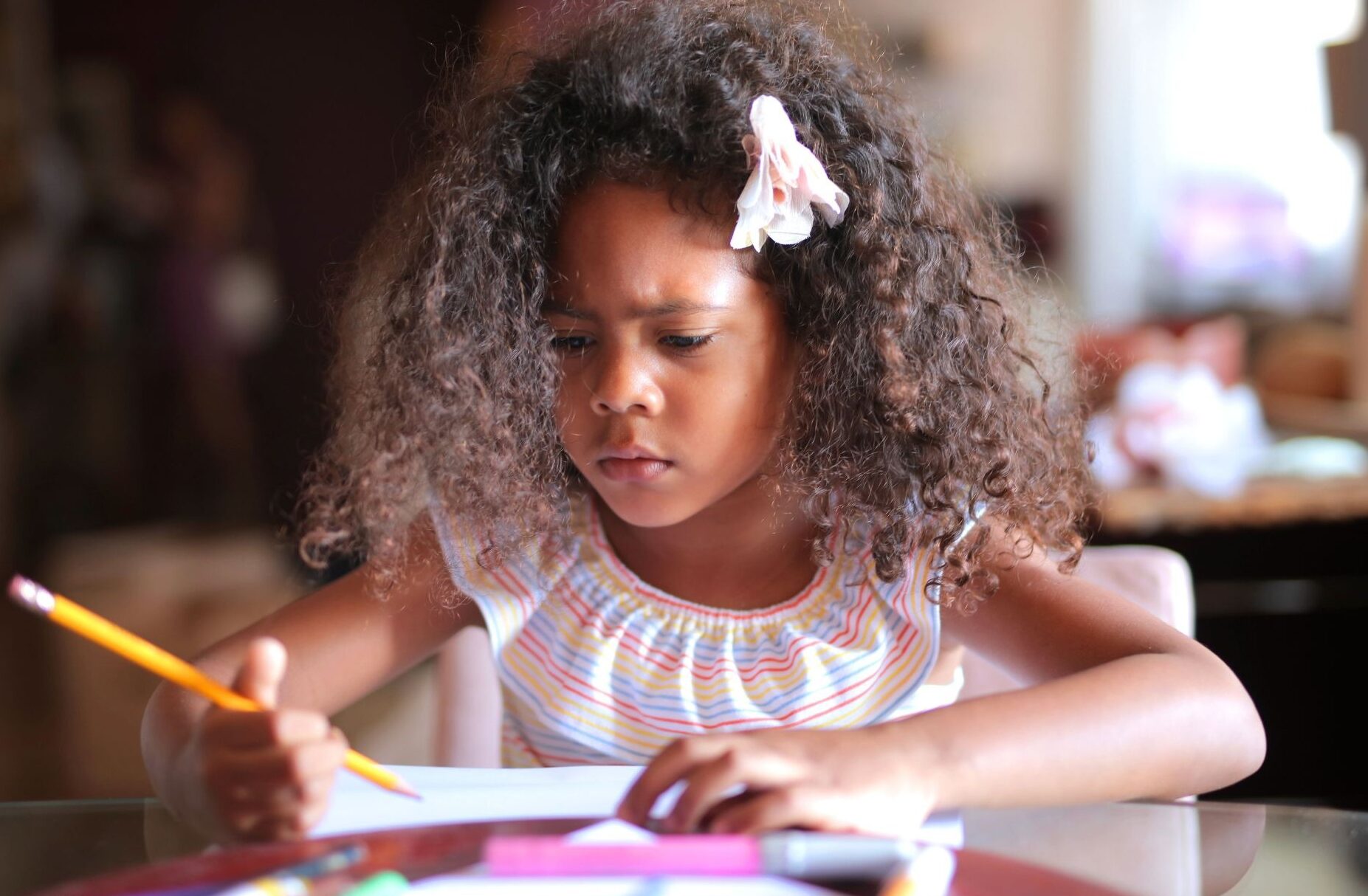
Simple Ways to Protect Your Child’s Eyes
Healthy habits can support your child’s vision every day.
- Schedule regular vision screenings and eye exams.
- Encourage plenty of outdoor play.
- Offer a variety of colorful books, puzzles, and hands-on activities.
- Limit screen time and remember to take breaks during longer periods of device use.
Reading together also helps children practice visual tracking while building early literacy skills. Looking at pictures, following words across the page, and recognizing letters all support early literacy skills.
Small Signs Can Make a Big Difference
Imagine your child avoiding puzzles because the pieces seem blurry or losing interest in story time because following the pictures feels difficult. Once a vision concern is identified and treated, those same activities can become enjoyable again.
At FLOE Academy, we know every child learns in their own way. Paying attention to small changes, whether it’s how a child plays, reads, or explores, helps parents and teachers work together to support healthy development.
If you have questions about your child’s readiness for preschool or would like to learn more about our nurturing learning environment, we’d love to meet your family.
Future Leaders of Excellence Academy
📞 (615) 239-8261
📧 floeacademy@gmail.com
🌐 www.floeacademy.com
Recent Posts
-
 Look Who’s Helping! Simple Kindness Challenges for Preschoolers
 -
 Simple Mindfulness Moments for Busy Toddlers and Preschoolers
 -
 Simple Ways to Encourage Healthy Eating Habits in Preschoolers
 -
 Is My Child Ready for Kindergarten? A FLOE Readiness Checklist
 -
 Back-to-School Vaccines Nashville Parents Should Know Before September