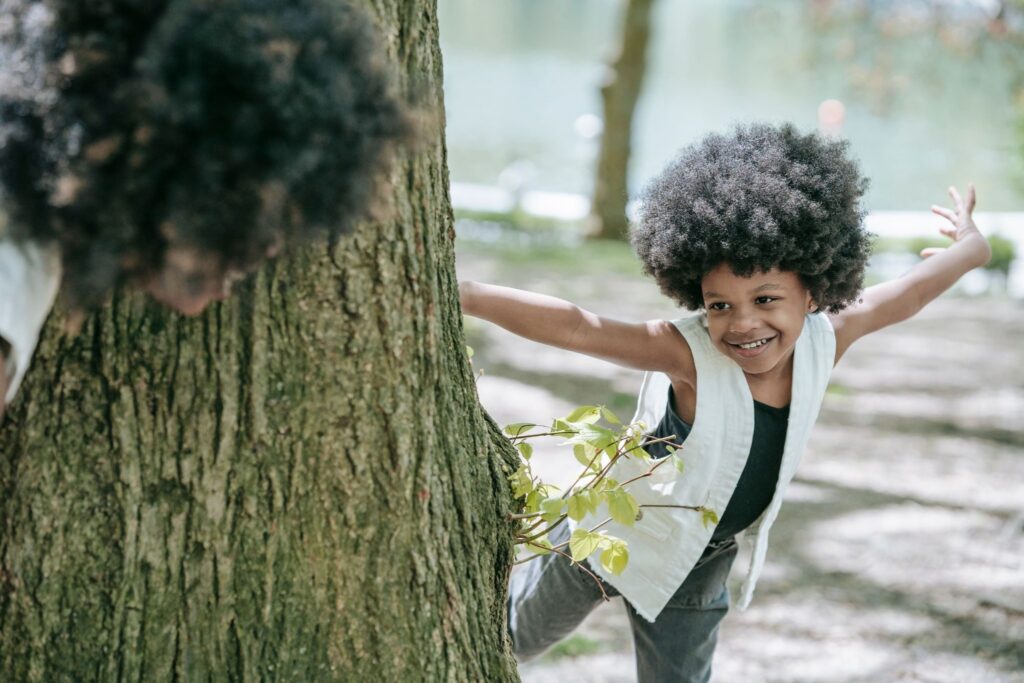
A muddy puddle. A pile of sticks. A caterpillar inching across the sidewalk. To a young child, these are treasures, not distractions. What looks like simple outdoor play to us is often serious learning to them.
If your child seems to come alive the moment you step outside, that instinct is worth trusting.
Why Outdoor Play Supports Early Learning
Time outside gives children space to move, explore, and test ideas in ways an indoor classroom can’t always match. Running, climbing, and balancing build gross motor skills, while collecting leaves or stacking rocks strengthens fine motor control and early math thinking, like counting and comparing sizes.
Outdoor play also builds problem-solving skills. Figuring out how to get a ball unstuck from a bush takes real thinking, even if it doesn’t look like it.
Skill-Building Activities to Try
Nature scavenger hunts. Ask your child to find something smooth, something round, or something red. This builds vocabulary, observation, and early categorization, all while feeling like play.
Sidewalk chalk letters and numbers. Drawing giant letters or numbers, then hopping from one to the next, connects movement with early literacy and math.
Obstacle courses. A simple course made from things you already have, like stepping over cushions or crawling under a chair, builds body awareness and the ability to follow multi-step directions.
Gardening together. Digging, planting, and watering teach patience and responsibility, along with early science concepts like growth and cause and effect.
Everyday Outdoor Moments Count Too
You don’t need a formal activity every time. A walk to the mailbox where your child names every color they see, or a trip to the park where they negotiate turns on the slide with another child, builds skills just as effectively as a planned lesson.
If you’re looking for good spots nearby, it helps to know where to go, so we put together a list of the best parks and walking trails in Goodlettsville for families with young kids
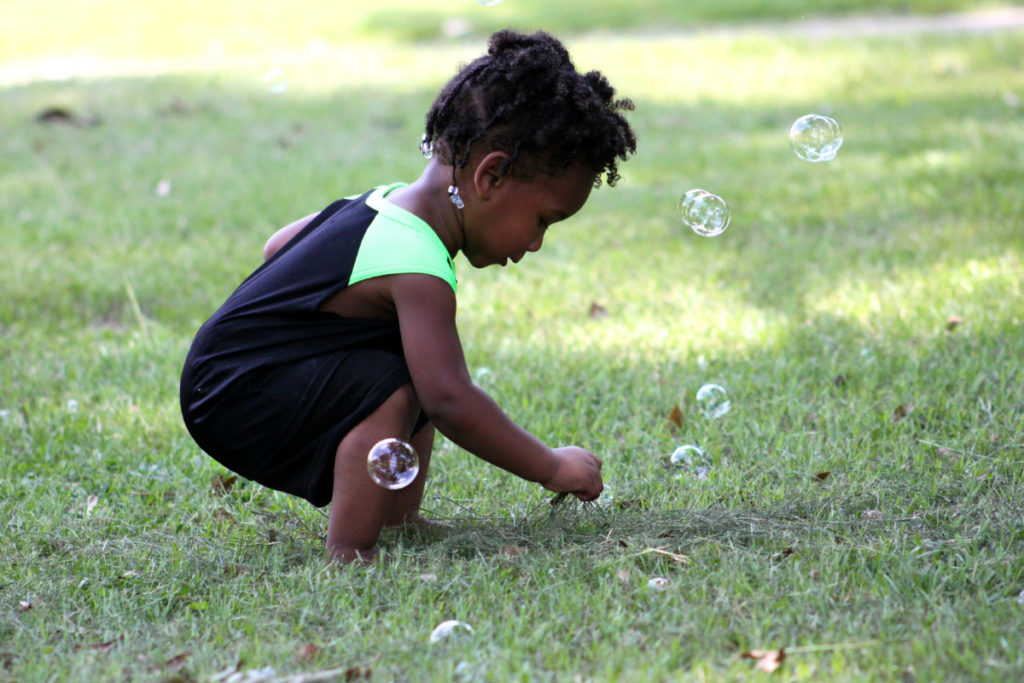
A Few Tips for Getting the Most Out of Outdoor Time
- Let your child lead the exploration instead of directing every step.
- Follow their curiosity, even if it means stopping to examine a bug for five minutes.
- Dress for the weather so mess and mud don’t cut playtime short.
- Ask open-ended questions, like “What do you notice?” rather than giving answers right away.
Every Child Explores at Their Own Pace
Some children run straight for the biggest hill, while others hang back and observe before joining in. Both approaches are valuable, and both build skills in their own way.
Come see how our outdoor time turns everyday play into everyday learning. We’re here to support you every step of th📞 Call us at (615) 239-8261
🌐 Visit www.floeacademy.com
📧 Email us at floeacademy@gmail.come way on your parenting journey.
Recent Posts
-
 World Youth Skills Day: Life Skills Preschoolers Learn Every Day
 -
 How Working Parents Can Stay Connected to Their Child’s Learning
 -
 Why Summer Play Is Essential for Brain Development in Young Children
 -
 Outdoor Activities That Build Early Learning Skills
 -
 Helping Preschoolers Solve Problems Together Without Adults Stepping In